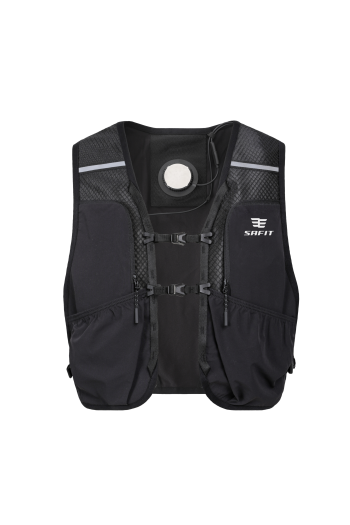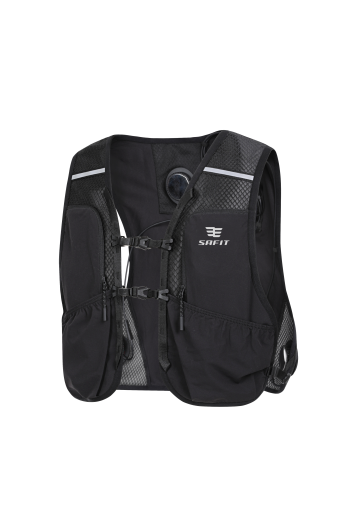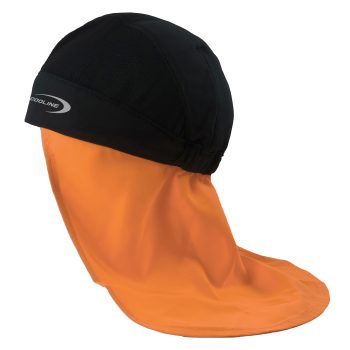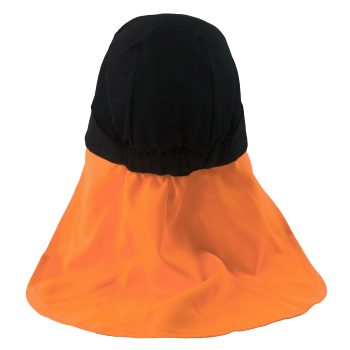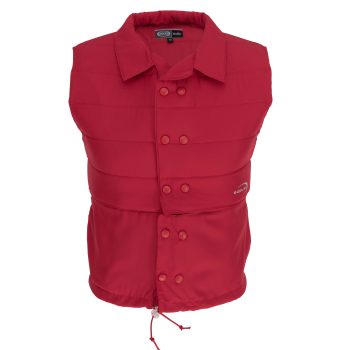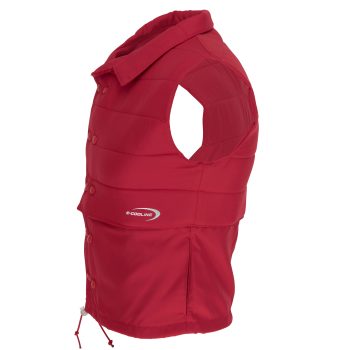
How do cooling vests work?

Blog – How Does A Cooling Vest Work? A Comprehensive Guide

Quick Summary: A cooling vest regulates body core temperature by absorbing thermal heat or circulating air/chilled liquid across the torso. Depending on the design, cooling vests rely on distinct mechanisms: Evaporative Cooling, Phase Change Material (PCM), Passive Airflow, Liquid Circulation, or Thermoelectric Peltier Modules.

Heat stress is a measurable operational risk, not just a comfort issue. Workers exposed to prolonged heat, on construction sites, in manufacturing plants, in oil and gas facilities, face reduced concentration, slower reaction times, and higher rates of dehydration, heat exhaustion, and heat stroke. For procurement and safety teams, this directly impacts productivity, incident rates, and compliance exposure.

Cooling vests address this by supplementing the body’s natural cooling capacity when perspiration alone fails. Built to be worn under or over protective gear, they are a practical safety solution for crews operating in high-heat environments above 40°C (104°F).

This guide covers how cooling vests work, the cooling methods available, and which type suits your specific industry operations.

What Is a Cooling Vest?

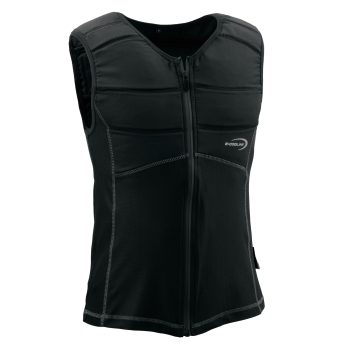
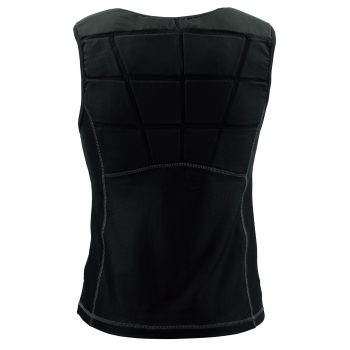
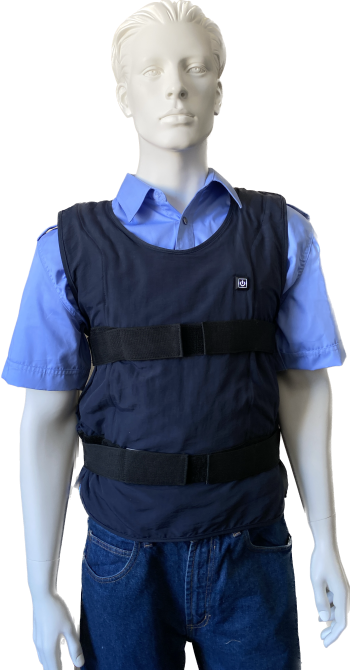
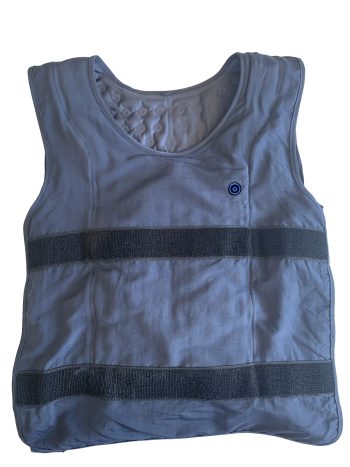
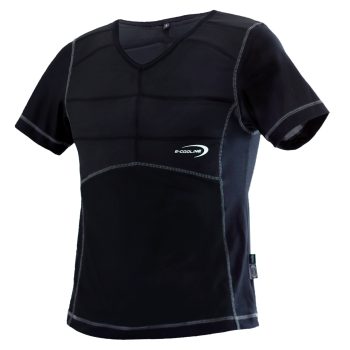
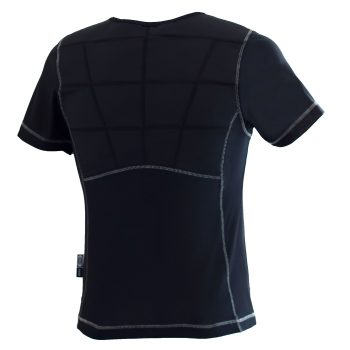
A cooling vest is a wearable air-conditioning unit that regulates body temperature using evaporative fabric, phase-change materials, circulated liquid, or thermoelectric modules, worn by workers in high-heat environments to prevent heat stress.

Most function on the principle of active or passive thermoregulation support. The human body naturally cools itself through perspiration and evaporation, but in high heat or high humidity, this mechanism becomes overwhelmed. Left unaddressed, this leads to heat exhaustion or heat stroke. A cooling vest supplements the body’s own cooling capacity in exactly the conditions where it fails on its own, whether through circulating chilled water, evaporative moisture release, phase-change packs, or electronic thermoelectric modules.

Cooling vests are built to be lightweight and wearable under or over other protective equipment, making them practical for construction crews, offshore workers, and anyone facing sustained temperatures above 40°C (104°F).

cooling vest features

What Are the Benefits of a Cooling Vest?

The purpose of a cooling vest is to prevent heat stress by keeping core and skin temperature within a safe range during physical work in hot conditions, reducing the risk of dehydration, heat exhaustion, and heat stroke.

Different vest types achieve this through different mechanisms. Some use special fabrics that absorb and slowly release water for evaporative cooling. Others use refrigerated gel or ice packs. More advanced phase-change vests use paraffin or salt hydrate panels that provide a longer, steadier cooling effect.

For teams working extended hours in heat, whether on a construction site or a factory floor, the right vest is a direct lever on comfort, safety, and sustained output.

The 5 Main Types of Cooling Vests (And How They Work)

For workers in extreme heat, several distinct cooling technologies are available, each suited to different conditions and use cases.

1. Evaporative Cooling Vests

How it Works: Uses technical fabrics or gel-like substances that store moisture. Activated by soaking or brief freezing before wear, the vest uses ambient heat to slowly evaporate the water or gel, pulling thermal heat away from the skin.

Best Conditions: Dry, outdoor environments with steady airflow

Cooling Duration: 4 to 8 hours

2. Phase Change Cooling Vests

This technique uses cooling packs frozen in advance and inserted into the vest, providing constant, regulated cooling for several hours depending on design. Packs are reusable, simply refreeze and reinsert.

How it Works: Uses specialized bio-based, salt hydrate, or paraffin liquid inserts placed in vest pockets. These elements solidify at set temperatures (typically 14°C to 18°C / 58°F to 65°F) and absorb body heat at a steady, constant rate as they melt back into liquid. Packs are fully reusable, simply refreeze and reinsert.

Best Conditions: High humidity, under heavy PPE/hazmat gear, or indoors with limited air circulation.

Cooling Duration: 2 to 4 hours (recharges quickly in ice water, refrigerators, or freezers).

3. Passive Cooling Vests

How it Works: Passive cooling relies on high-breathability materials, ambient airflow, or targeted pre-frozen gel/ice packs inserted around the torso. Ice and gel options deliver rapid, aggressive thermal reduction, while purely breathable passive designs offer lower-intensity cooling without added power.

Best Conditions: Extreme heat for short shifts, or hot/dry climates where mobility is priority. Common among military personnel, firefighters, and post-exertion recovery.

Cooling Duration: 1.5 to 2.5 hours for ice/gel packs.

4. Hybrid Cooling Vests

How it Works: Combines evaporative fabrics with phase-change technology in a single garment. The evaporative outer layer handles ambient surface heat, while the phase-change panels maintain a constant core temperature against the body.

Best Conditions: Workers needing extended cooling in extreme, unpredictable outdoor conditions.

Cooling Duration: Extended multi-hour performance.

5. Liquid Cooling Vests (Circulatory Cooling Suits)

How it Works: Circulates chilled water or cooling fluids through a network of internal channels stitched into the garment, connected to a small battery-powered pump or reservoir.

Best Conditions: Severe ambient heat where prolonged exposure is unavoidable and passive systems fade too quickly.

Cooling Duration: Continuous cooling for long shifts (dependent on battery and fluid reservoir).

Type of cooling vest

Which Industries Use Cooling Vests?

Cooling vests have been used since the 1980s and have seen renewed attention as heat-related illness rates have risen. Here is where they apply across sectors:

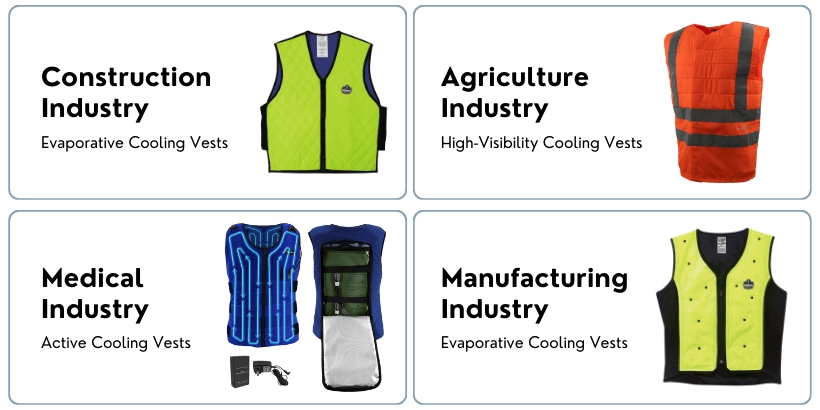
Construction and Mining Industry

Construction and mining require workers to operate heavy machinery and work under demanding conditions, often in high, dangerous temperatures. Cooling vests made with phase change material are designed for high-heat areas and suit a range of body types. They offer recovery time, improve concentration, and increase precision. Workers can wear them under protective gear, staying safe, cool, and hydrated.

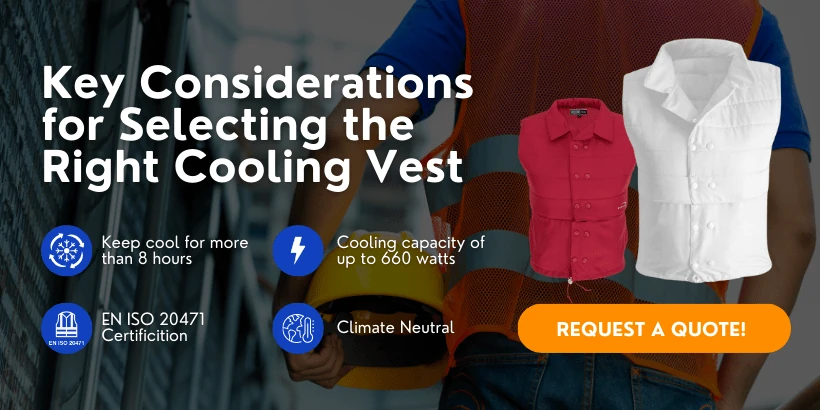
The E.COOLINE PowerSignal Vest SX3 meets EN ISO 20471 for high-visibility compliance and is available in single-unit quantities, allowing a single crew to be equipped before expanding the order.

First Responders

Police officers, firefighters, and EMTs often work in high-stress, high-temperature environments. Cooling vests reduce the risk of heat stroke, dehydration, and other heat-related illness, and are also used by hazmat teams and specialized units working in protective gear.

For this level of exposure, an active, battery-powered cooling vest is generally recommended over passive or evaporative types, since it provides consistent cooling regardless of ambient humidity or downtime between calls.

Agriculture

Farmers working outside for extended periods can develop heat exhaustion or heatstroke due to prolonged heat exposure. Cooling vests help regulate body temperature, supporting both safety and productivity.

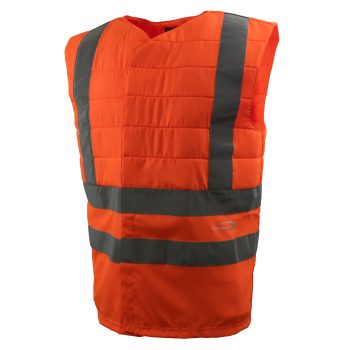
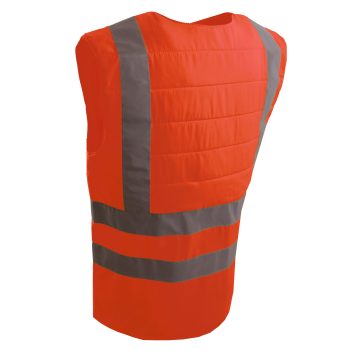
A high-visibility, breathable evaporative vest with reflective strips is generally the better fit here, combining cooling relief with visibility during early morning or dusk work.

Oil & Gas

Oil and gas is among the highest-generating sectors globally, but it carries real risk to worker health and safety. Staff frequently operate in high-heat areas, and cooling vests with micro-cooling technology help reduce that risk, staying effective for long hours and minimizing heat stress by regulating skin temperature.

A phase-change or hybrid cooling vest is typically better suited to this environment than evaporative alone, since confined or humid conditions common in this sector can limit evaporative performance.

Manufacturing Industry

Workers in manufacturing often operate in enclosed areas with minimal air circulation. In facilities without air conditioning, temperatures rise well beyond comfortable levels. Cooling vests with ice packs or evaporative technology help maintain productivity and safety in these conditions.

Where a facility needs a specific fit, branding, or configuration on top of that, the CoolStream vest is built to OEM specification, with certification available on demand.

Medical Industry

Healthcare staff working extended shifts in hot, enclosed environments need cooling that holds up over a full shift rather than fading partway through, which is where passive or evaporative materials tend to fall short.

The ICE GEAR Peltier Cooling Vest uses three removable Peltier modules to actively reduce contact surface temperature by up to 20°C, suited to facilities standardizing on active, electronic cooling across their teams. Minimum order: 3,000 units.

Choosing the Right Cooling Vest for Your Team

As industries evolve and heat-related risk becomes harder to ignore, cooling vests have moved from a niche accessory to standard equipment across construction, manufacturing, first response, and beyond. Whether worn alone or under other protective gear, the right cooling vest is a direct, measurable investment in workforce safety and output.

From lightweight and breathable materials to specially designed gel packs and cooling fans, these vests can be utilized in a wide range of industries including construction and firefighting. Whether worn alone or under other protective gear, cooling vests are a vital tool for anyone who spends extended periods of time in hot or humid environments.

Get your CoolStream by KC Wearable Technology only at Oteplace

Industrial PPE Gloves: How to Choose the Right Type for Your Job
Blog – How Do Fire-Resistant Clothes Work?
My Cart
Wishlist
Recently Viewed
Categories